
Is this tea stale?
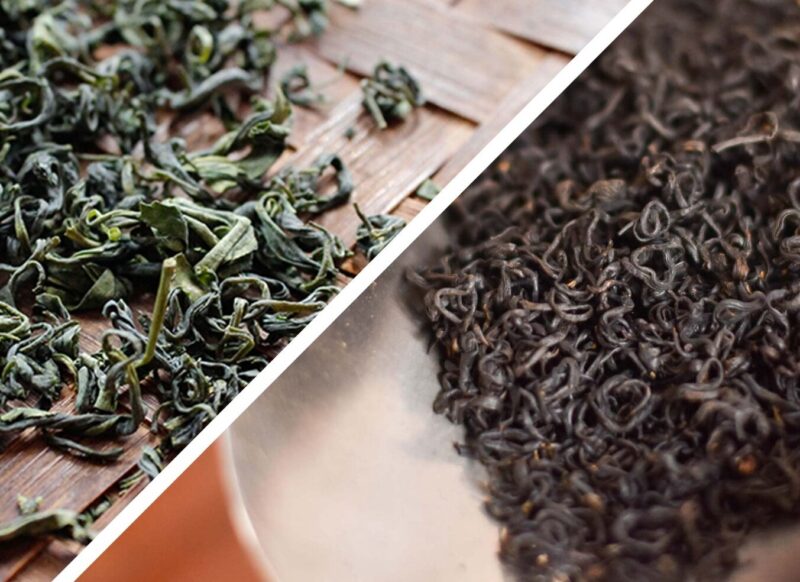
If you drink coffee, you can probably tell when your sips are stale. With tea, it might be harder. If you are new to tea, just deciphering what you are drinking is a challenge. Maybe the tea tastes too astringent. Is it passed is prime? Or earthy. Or it looks too dark in the cup. Readers, you might be drinking a newly harvested green tea that puckers in the mouth, a well formed pu’erh that perhaps has been aged for decades or a dark oolong that is just right.
 For tea mavens, Roy Fong, owner of the legendary Imperial Tea Court in San Francisco’s Ferry building, cautions buyers to be aware of hype:”If a vendor is selling a ‘newly harvested’ green tea in December, that’s a red flag,” he warns. “With few exceptions in perpetually warm climates, green teas from regions like China and Japan are almost always produced in the spring. A late-winter harvested green tea from those regions is highly unlikely.”
Tea- camellia sinensis – does not like light, heat, moisture, and air,” says Phil Parda owner of iconic DrinkGreatTea.com in Madison, Connecticut. Parda, who also gives online educational tea classes and travels widely to source his teas, carefully curates his wares. “Some teas, like Pu’erh and dark oolongs, can age nicely and are not negatively affected by heat and har; however, I like keeping them in a dark environment.”
In addition to season and location, Roy Fong, who is also the founder of the popular SF Tea Festival, gives more list of buyer tips:
Look, feel, color and taste: “Stale tea looks less vibrant,” he says. “Green tea, in particular, will often take on a dull , yellow tone.”
Texture: “The leaves are also softer and more brittle. ”
Buyers should also take into account, the all-important aroma. “Taking a handful of leaves and breathing in deeply will usually reveal a distinct staleness. ” And finally, Fong adds the major criterion: Taste. “Cupping the tea will tell the story – stale teas will taste, stale.”